Ask Your Mom: A Designer’s Real-World Embroidery Review
First Impressions: Whimsical, Bold, and Conversation-Ready
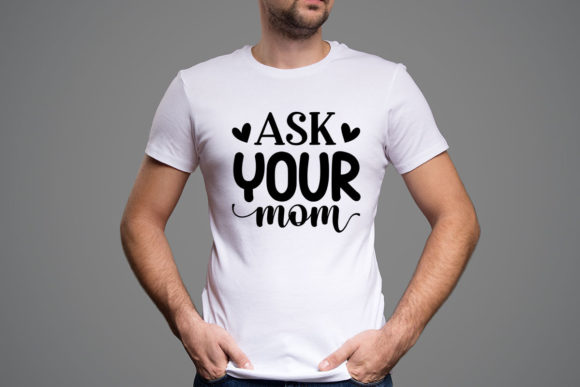
Opening the Ask Your Mom embroidery file, I immediately got the vibe—this is a design that wants to be seen and heard. The layout is clean but punchy, with a confident font style that leans into humor without sacrificing readability. The theme is unmistakably playful, making it a perfect fit for custom apparel or personalized gifts that need a bit of personality. From a design standpoint, it’s got a strong focal point and enough negative space to ensure it doesn’t get lost in the fabric.
Visually, this design feels like it belongs on casual wear—think tote bags, sweatshirts, or even embroidered patches. It’s not overly detailed, which is a win when it comes to machine embroidery. That simplicity also makes it adaptable across different project types, from baby onesies to boutique tote bags.
Real-World Use: From Sweatshirts to Baby Clothes
I tested Ask Your Mom on a few different embroidery projects, starting with a simple cotton tote bag. The satin and fill stitches held up beautifully, with no puckering or distortion. The lettering is bold enough to stitch cleanly, even at a slightly reduced size. On a medium-weight sweatshirt, the design looked sharp and well-balanced—especially with a contrasting thread color that added a bit of pop.
When I moved on to a baby onesie, I was curious how the design would handle a smaller application. It scaled down well, though I’d recommend avoiding the smallest hoop sizes unless you’re willing to simplify the lettering slightly. For baby embroidery, clarity is key, and while this design holds up, it’s best suited for slightly larger placements like the chest or back panel.
One of the more unexpected uses I tried was on a patch. The design translated well into a finished embroidered patch—especially when backed with a sturdy stabilizer. It had that boutique-quality feel that Etsy sellers and craft entrepreneurs look for when creating handmade products.
Where to Use It Carefully
While Ask Your Mom performs well in many situations, there are a few red flags to watch for. On stretchy fabrics like jersey or lightweight knits, the satin stitches can pull slightly, especially around the corners of letters. Using a lightweight stabilizer helped, but it’s something to keep in mind if you’re working with soft, draping materials.
Dark fabric also presents a challenge, particularly if the thread color isn’t carefully selected. I tested it in a light gray on black fabric and found the contrast strong enough, but white thread gave it a sharper, more professional finish. For curved surfaces like baseball caps, I’d recommend checking stitch density—too much fill can create a raised, uneven look that might not match the intended aesthetic.
Small hoop sizes are another area where caution is warranted. If your machine can only handle a 4x4 hoop, you may need to resize the design significantly, which could compromise legibility. Always test on scrap fabric before committing to a final product, especially if you’re selling finished items or offering customization services.
Design Impact: Visual Appeal and Marketability
From a visual standpoint, this design adds instant charm. It’s the kind of embroidery that makes people smile and might even spark a conversation. For small shop owners or Etsy sellers, that kind of appeal translates well into product engagement. Whether it’s stitched onto a tote bag or a personalized sweatshirt, it brings a handmade, boutique-level finish that customers appreciate.
From a branding perspective, Ask Your Mom could easily become a signature element in a product line—especially if you're creating humorous or light-hearted apparel and accessories. It’s versatile enough to fit into seasonal collections too, like holiday gifts or baby shower items. The key is to pair it with complementary design assets to maintain brand consistency.
Professionally, this design holds up well. The stitch quality is clean, and the overall layout gives a polished finish to any embroidered project. It’s not overly complex, which makes it accessible for both beginners and experienced embroiderers alike.
Designer Notes: Practical Tips for Best Results
- Test on scrap fabric first—especially if you're using a new stabilizer or working with a tricky fabric like stretch jersey.
- Check thread color contrast before stitching the final design, especially on dark or textured materials.
- Review stitch density if you're using the design on curved surfaces or layered garments like hoodies.
- Confirm hoop size compatibility, especially if you’re working with smaller embroidery machines.
- Inspect small details like the inside of letters to ensure they stitch cleanly without gaps.
- Try black and white mockups to see how the design looks without color distractions.
- Compare performance on light and dark fabrics to understand how it will look across different product variations.
- Use proper stabilizer—a medium-weight tear-away or cut-away will give the best results for most fabrics.
- Verify commercial use licensing if you plan to sell finished items or digital embroidery files.
Final Thoughts: A Witty, Wearable Design with Real Potential
Ask Your Mom is more than just a catchy phrase—it’s a versatile embroidery file that can elevate a wide range of handmade products. Whether you're creating custom apparel for clients, crafting personalized gifts, or building a small shop inventory, this design brings both charm and practicality to the table.
As with any digital embroidery file, it’s important to test and adapt it to your specific materials and projects. But with a bit of planning and attention to detail, it can become a go-to asset in your creative toolkit. For crafters, Etsy sellers, and small business owners, it’s a solid investment that delivers both visual appeal and customer engagement.